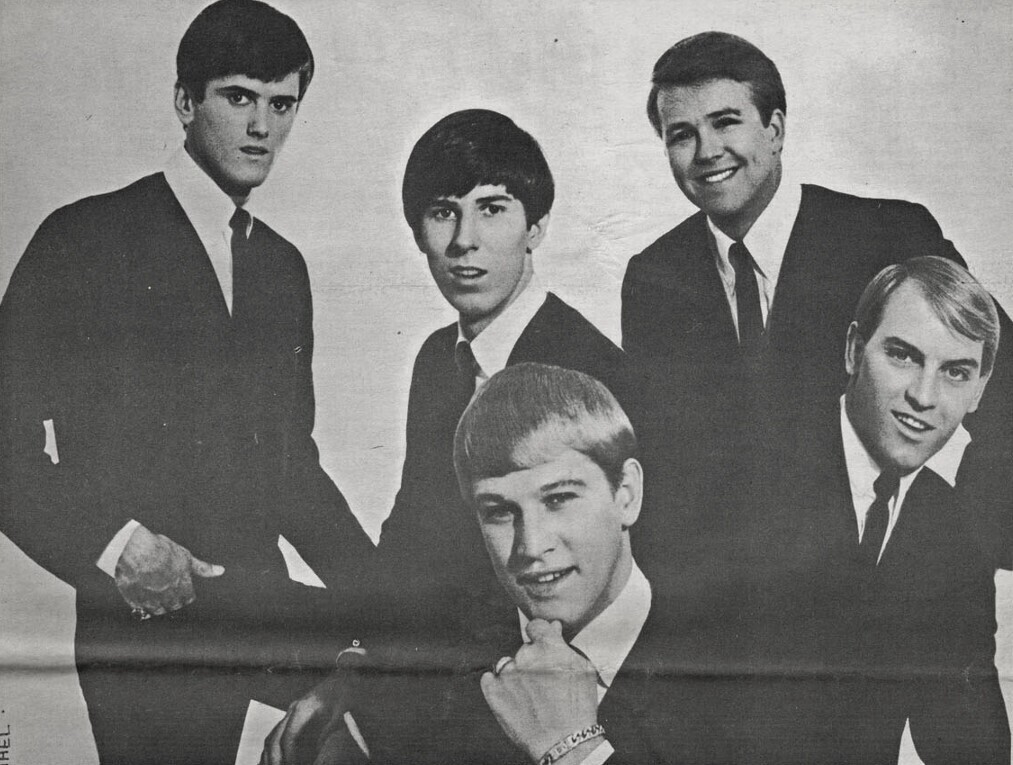
On April 6, 1963, five musicians from Portland, OR known as The Kingsmen, bought studio time at Northwestern Inc. Motion Pictures and Recording to record their rendition of “Louie Louie”. The bill came to $36 by singer Jack Ely’s account and closer to $50 by others. The recording took only 45 minutes.
The engineer hung the studio’s only microphone high above the floor and placed Ely in the middle of the band so the take would sound live. To reach the mic, he had to come up on his toes and tip his head back.
“I’m standing on my tippy toes yelling into the microphone,” Ely said of the session, in “a 10-by-10 room with one microphone.”
“We were initially just going to record the song as an instrumental,” he said, “and at the last minute I decided I’d sing it.”
The record charted within a year and drew the interest of the federal government, which spent 31 months trying to figure out the lyrics. FBI agents collected lyric sheets, interviewed the songwriter, the label, the producer, and a rival band, and sent the song to the FBI Laboratory, where they analyzed the song at every speed imaginable.
One obvious gap was that the FBI never bothered to interview Jack Ely.
A Sailor, A Bartender And $750
Richard Berry originally wrote “Louie Louie” in 1956 after hearing an R&B treatment of “El Loco Cha Cha,” popularized by the Cuban bandleader René Touzet.
It is a song about a sailor telling a bartender named Louie that he is going home to his girl, with nothing obscene or suggestive in the lyrics
Before the record came out, Berry sold his publishing and songwriting share in “Louie Louie” alongside other songs for $750 to raise cash for his wedding.
The Lyrics That Nobody Wrote
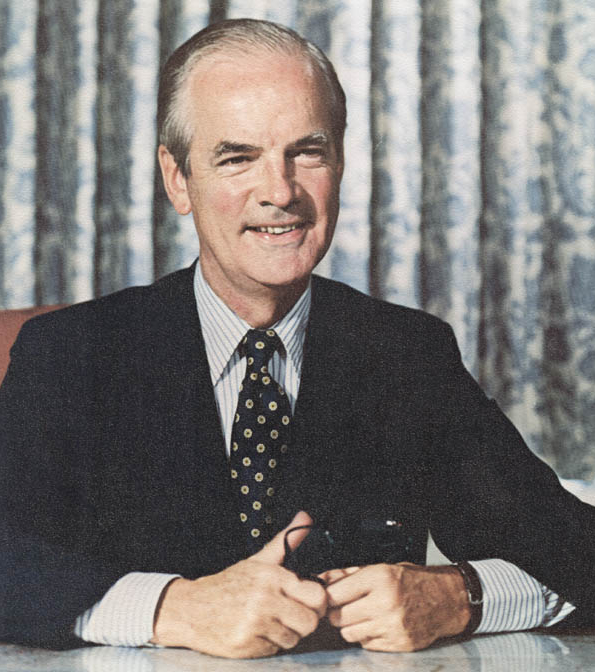
By the winter of 1963, the Kingsmen had become popular. In a turn of events that should surprise nobody, American teenagers had decided it was filthy. The hard-to-understand vocals were a casualty of the band’s unique recording setup.
Handwritten sheets of made-up obscene lyrics passed through schools, copied out by hand and passed along and copied again.
The rock critic Dave Marsh, who wrote a book about the song, called the spread “cultural spontaneous combustion,” much like rumors I remember from my youth around Michael Jackson supposedly having a rib removed.
Letters started arriving in Washington, and in Indiana, Governor Matthew Welsh asked state broadcasters to remove the song from the air after two high school students told him what they thought the lyrics were. One of these high school students admitted decades later that the song “wasn’t a bad song, it wasn’t dirty.”
Who Do You Turn To
In January, 1964, a parent in Sarasota, Florida, by some accounts a high school teacher, wrote to Attorney General Robert F. Kennedy.
“Who do you turn to when your teenage daughter buys and brings home pornographic or obscene materials”
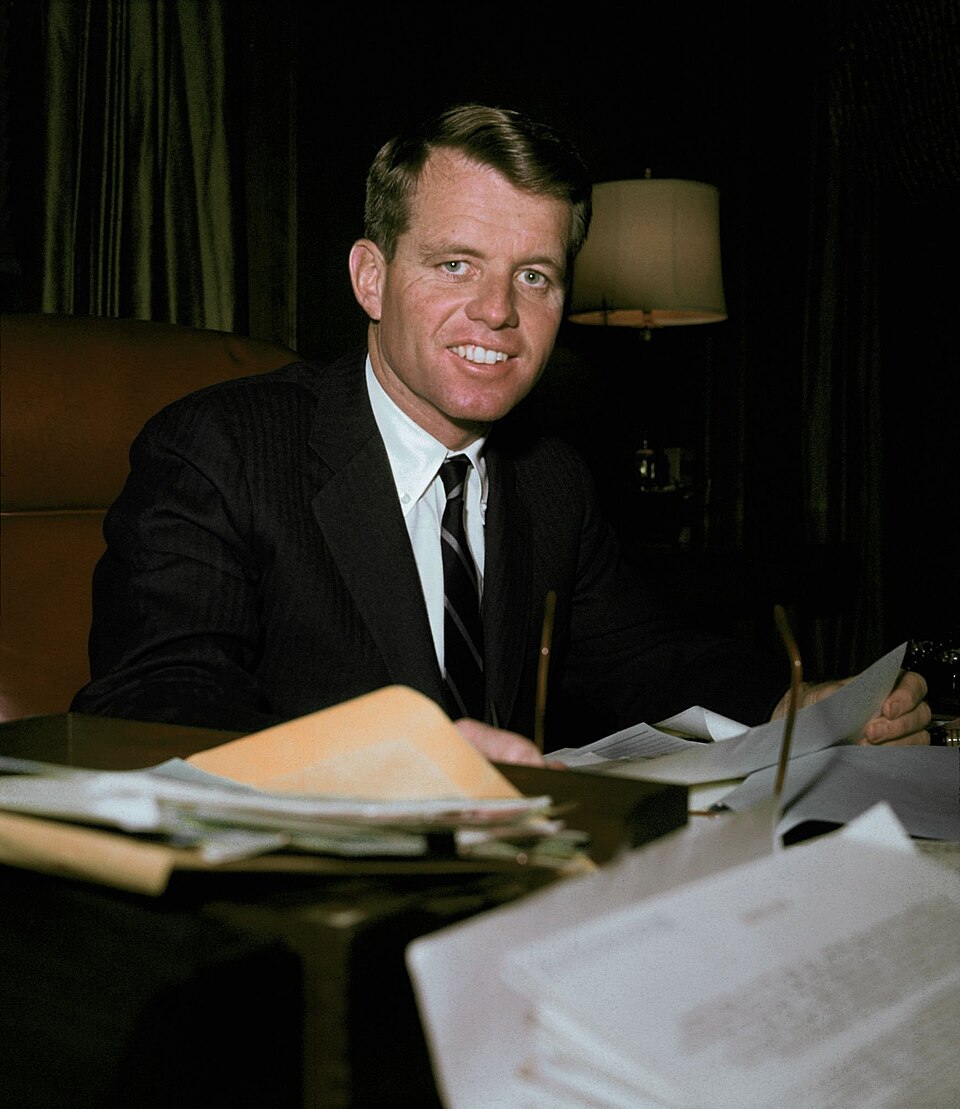
The writer claimed to have the real lyrics and refused to send them, explaining that “the lyrics are so filthy that I cannot enclose them in this letter.” Everything the Bureau did over the next two and a half years followed from a hysterical parent with zero evidence.
The case opened under the federal statute covering interstate transportation of obscene material, which made the pressing and shipping of the record the alleged crime rather than the actual recording of the song.
On February 13, 1964, the FCC wrote to Wand Records asking whether there had been “improper motivation on the part of the singers” to make the lyrics “so unintelligible as to give rise to reports that they were obscene.”
Wand answered the next day that its staff was “highly reputable business people,” and the trouble “was started by an unidentified college student who made up a series of obscene verses.”
Every Speed The Bureau Used
The lab work is what pushes this strange story into the absurd.
Technicians played the single at 78, at 45, at 33 1/3 and slower, forward and backward, comparing made-up filthy lyrics against what they heard.
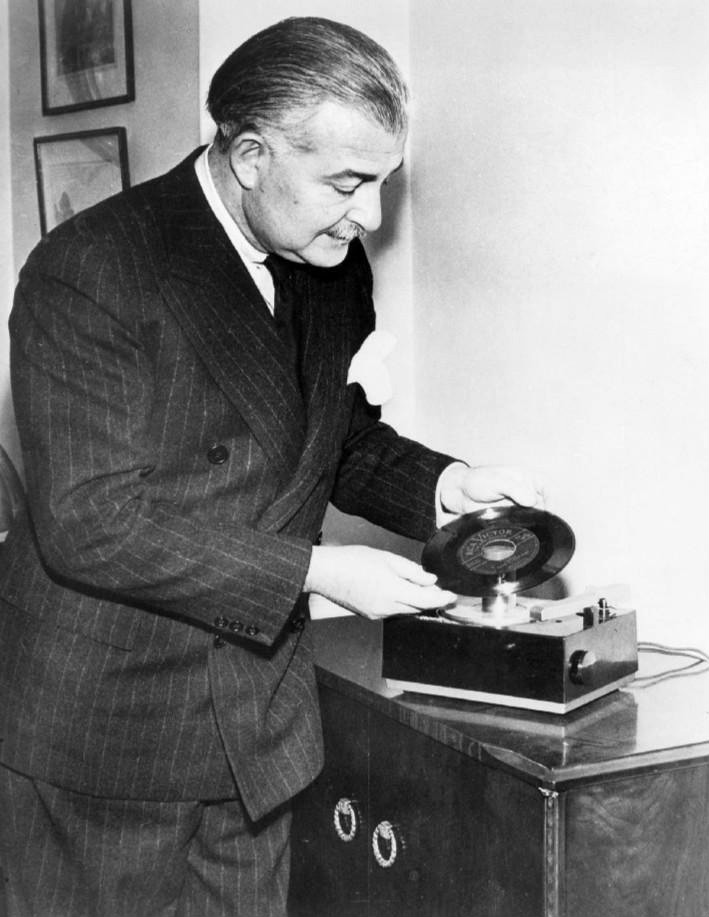
A headquarters report in April 1964 recorded the results.
“The record was played at various speeds, but none of the speeds assisted in determining the words.” The examiners wrote that “it could not be determined whether (Louie Louie) is an obscene record.”
That finding has been represented ever since with the timeless phrase, “unintelligible at any speed.”
Lester Irvin, an Indianapolis prosecutor, took the hint. He would “decline prosecution in this case since the FBI Laboratory is unable to determine this record is obscene.”
Despite Irvin’s definitive dropping of the case, the work continued, conducting interviews with executives, producers and even some members of the band. According to the documentary filmmaker Eric Predoehl, they even interviewed Paul Revere and the Raiders, who had recorded their own version of the song at the same Portland studio.
“They spent a lot of time on it, but it was undecipherable at any speed,” Predoehl told NPR.
In September 1965, some members of the Kingsmen (minus Ely) told agents there had been “certainly no deliberate attempt to include any obscene or suggested (sic) wording.”
The copyright office had the lyrics on file since the 1950s, and the FBI could have solved this on day one by referencing Berry’s 1957 original.
No Evidence Of A Violation
In December 1965, a Detroit prosecutor named Robert Grace found “no evidence of a violation” and recommended, “that no further investigation in this matter be conducted.”
By the end of that year, the file was a whopping 119 pages long, including memos, label correspondence, lyrics, and parents’ letters.
The Bureau’s own summary reads, “The limited investigation lasted from February to May 1964 and discovered no evidence of obscenity.” If you actually look through their files, the last document was dated 1966, for a total of 31 months.
The whole investigation was a massive waste of government resources.
Ely spent much of the rest of his life training horses in central Oregon. His son said he made peace with being a one-hit wonder and that “he was pretty happy that he did ‘Louie Louie.’”
Jack Ely passed away at his home in Redmond, Oregon, in 2015.