It could be argued that Metallica was well past their prime going into 2007. Having endured the Napster-complaining, Lars-sellout era, the loss of long-time bassist Jason Newstead, and the “Some Kind Of Monster” documentary chronicling their internal strife, the band’s struggles culminated in the controversial “St. Anger” album. Many thought their best days were behind them.
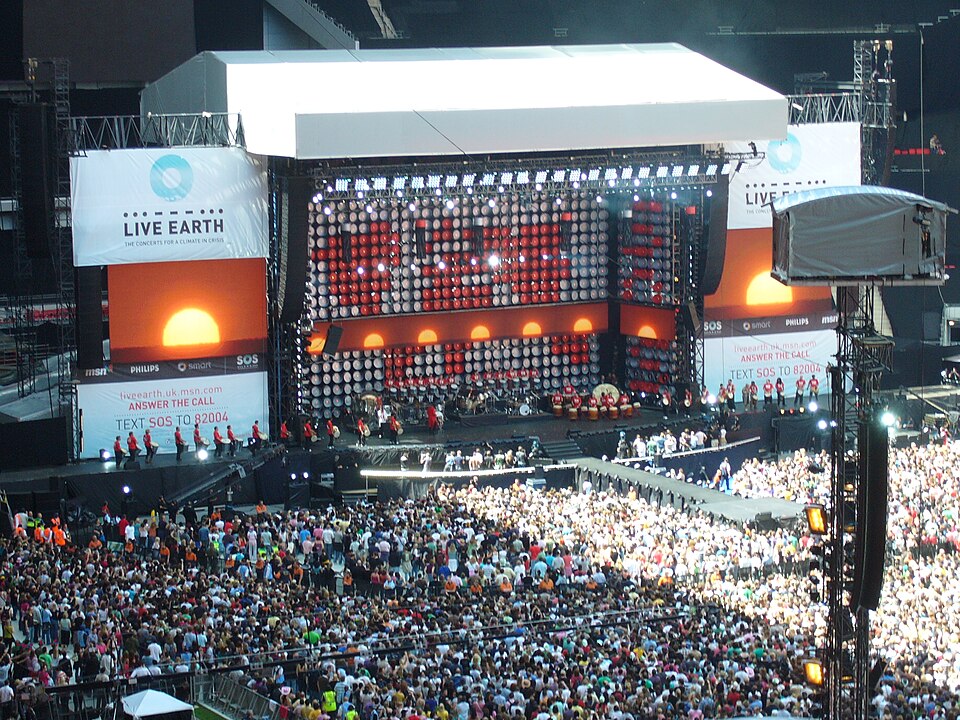
I dare you to say that after watching their live performance to some 90,000 screaming fans at Wembley Stadium for the “Live Earth” concert of 2007. There is a video online of them playing their 1991 power ballad hit “Nothing Else Matters,” and it changed my whole perception of middle-aged, early 2000s Metallica. If anything, the guys are well seasoned, and the addition of bassist Robert Trajillo seems to have jump-started the heart of the band right back up.
“Nothing Else Matters” is off of their self-titled fifth album, referred to as the “Black Album” because of the dark cover art, and though it wasn’t the band’s first power ballad, it’s considered the most recognizable by the band. It started as a demo James wrote about missing his girlfriend while on tour in 1990, and he wasn’t even considering using it for the band until the notoriously outspoken Lars heard it and said they should.
James felt odd presenting it to the band since it was a sonic and lyrical departure for them, but the Black Album marked a turning point, reflecting both band and individual growth. They were getting older, had lost a founding member in a tragic accident, and had matured as songwriters. Their sound shifted from thrash to a more commercial heavy metal style, making the album their best-selling, even as longtime fans complained.
“Nothing Else Matters” starts with a finger-plucked, almost classical guitar riff before James comes in with some very dialed-back, soft vocals, which he maintains throughout most of the song. Though the band all join in, the song has a slow pace and a sad feel for most of its length, but it also lends itself to some vocals that are very easy to sing along with. The end of the song builds into a crashing climax with a very classic Hetfield guitar solo, that shouldn’t disappoint even the harshest, “their demos were better-” style metalhead critics.
Jumping back into 2007, this performance isn’t the first time the boys played this song on this stage. They played it in 1992 at the tribute to Freddie Mercury concert, which was released as a single along with two other songs they performed that day. Though the band was arguably at the height of their fame and talent, that performance doesn’t feel as special. Is it a bit more raw and rough around the edges? Sure, but I would argue that the song didn’t have enough time out in the world to have the same impact that it did years later when they played it at Wembley for the second time.
As we mentioned earlier, this was a tumultuous period of growth for the band, and 2007 seemed to mark the beginning of a new, brighter chapter for them. Kirk opens the song with a little clean Jimi Hendrix guitar riff, for some odd reason, before abruptly starting the opening line to “Nothing Else Matters.” The moment those first four open notes are played, the crowd erupts in cheers, which is something that didn’t happen at the 1992 show, where the audience was mostly quiet for the entire performance.
The crowd in 2007 did quiet down after that initial outburst, but that’s only because it seems like they’re entranced that they get to hear the song live in this moment. The moment James cues for them to sing the main line, “and nothing else matters,” thousands of voices raise up to meet him. Personally, one of my favorite things about watching or listening to live performances is when a crowd sings along, as long as they’re in key and not drowning out the artist on stage, that is.
Unlike the original version, the drums and bass remain absent at the first verse, making this performance intimate—just James, his guitar, and the audience. The stripped-down beginning commands attention, reflected in audience reactions. Tension builds until the full band joins for the second verse.
With each verse and transition, we seem to pick up momentum—a stark improvement from the first Wembley Performance, though we really did not need Kirk Hammet to try to chime in on backup vocals for the choruses. By the time we get to that distorted Hetfield guitar solo kicking the bedroom door down, on us, while we cry over some girl who broke our heart, we are headbanging the tears out of our eyes. It’s really an emotional moment to witness. The perfect use of a slow building momentum that creeps up on the stage between the members and within ourselves as the concert attendees or viewers. I highly recommend watching both performances at Wembley to see the drastic difference in the vibes of each, not only from the band, but from the audience.